Digital Transition: Guiding Your Traditional Business into the Digital Marketing Era
In an era dominated by smartphones and relentless scrolling, digital marketing has emerged as a critical lifeline for businesses worldwide. The transition from traditional marketing strategies to the digital sphere can be daunting for those accustomed to old-school methods like print ads and direct mail. However, the digital marketing era presents unparalleled opportunities for growth, reach, and customer engagement. Here’s an essential roadmap that will help traditional businesses navigate the digital currents with ease.

Step 1: Embrace the Change
The first step in any successful transition is to accept and embrace the change. Understand that digital marketing is not just a passing trend; it’s an evolution of how businesses connect with their customers. The sooner you acknowledge the power of digital marketing, the quicker you can adapt and thrive.
Step 2: Educate Yourself and Your Team
Educate yourself and your team about the basics of digital marketing. This includes understanding SEO (Search Engine Optimization), PPC (Pay-Per-Click advertising), social media marketing, content marketing, email marketing, and analytics. Online resources, webinars, courses, and workshops are plentiful and often free, making it easy for you and your team to build a solid foundation.
Step 3: Analyze Your Current Strategy
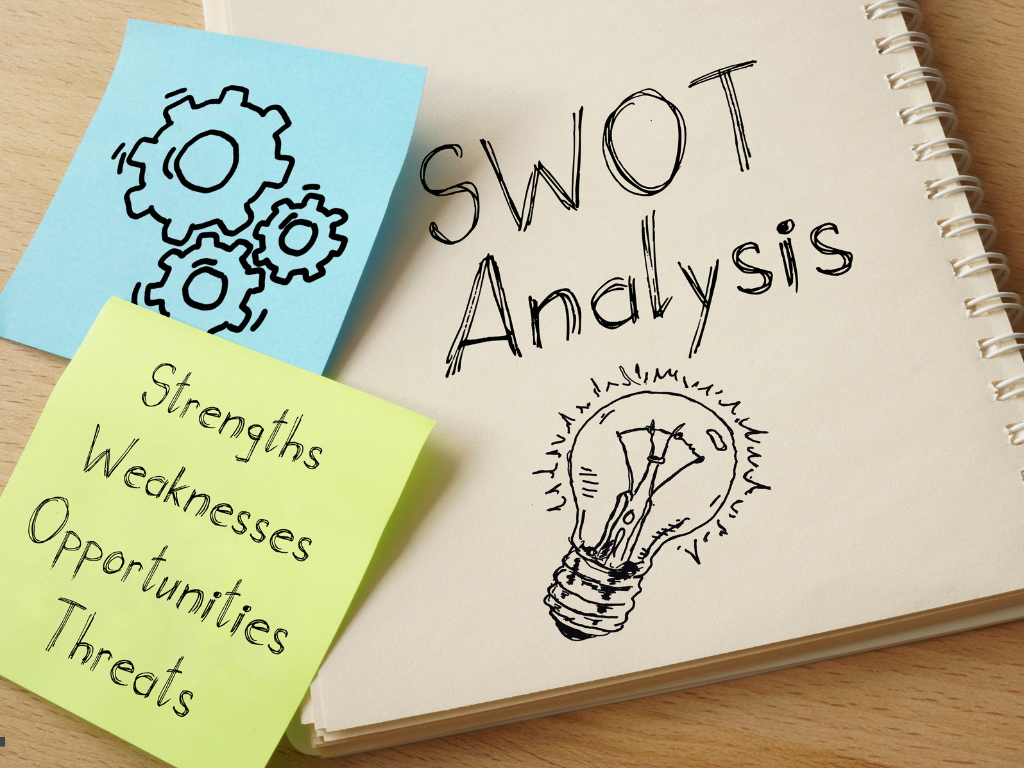
Examine your existing marketing strategy critically. Identify what has worked and what hasn’t. Consider how traditional efforts can be enhanced or replaced with digital methods. This analysis will help you decide where to allocate your resources as you transition.
Step 4: Set Clear Goals
Define what you want to achieve with your digital marketing efforts. Whether it’s increasing brand awareness, driving sales, or improving customer engagement, your goals should be SMART: Specific, Measurable, Achievable, Relevant, and Time-bound.
Step 5: Build Your Online Presence
Your online presence is your digital storefront. Start with a professional website that’s mobile-friendly and easy to navigate. Then, establish your business on relevant social media platforms. Consistency is key here; your branding and messaging should align across all digital channels.
Step 6: Develop a Content Strategy
Content is the cornerstone of digital marketing. Develop a content strategy that speaks to your audience’s needs and interests. This could include blog posts, videos, infographics, podcasts, and more. High-quality, valuable content will attract and retain customers, as well as improve your SEO.
Step 7: Engage and Grow Your Audience
Digital marketing is interactive. Engage with your audience by responding to comments, messages, and reviews. Use social media and email marketing to maintain a dialogue with your customers. As your engagement grows, so will your audience.
Step 8: Leverage Data and Analytics
One of the biggest advantages of digital marketing is the ability to track and analyze data in real-time. Use tools like Google Analytics to monitor your website traffic, campaign performance, and consumer behaviour. This data is invaluable for tweaking your strategy and improving ROI.
Step 9: Iterate and Evolve
The digital landscape is ever-changing. Keep learning and adapting your strategies based on new trends, technologies, and consumer preferences. The flexibility and scalability of digital marketing mean your business can continually evolve to remain competitive.
Step 10: Invest in Professional Assistance
If the transition feels overwhelming, consider hiring a digital marketing agency or consultant. They can provide the expertise and support you need to make the switch smoothly and effectively.
Frequently Asked Questions (FAQs):
-
A1: Absolutely! Digital marketing offers a multitude of benefits, such as wider reach, precise targeting, real-time analytics, and cost-effectiveness. It complements traditional marketing and can lead to improved customer engagement and increased sales.
Conclusion:
The transition to digital marketing need not be overwhelming. By embracing the change and following a structured approach, traditional businesses can reap significant benefits, including increased reach, better customer insights, and improved conversion rates. Digital marketing is not a replacement for traditional methods but rather an evolution that enhances and amplifies your marketing efforts.
Remember that the digital world levels the playing field, allowing small and medium-sized businesses to compete with larger corporations. With a well-crafted digital marketing strategy, your business can connect with customers in ways that were never possible before. The time to make the switch is now, and the digital horizon is bright
Ready to Illuminate Your Business in the Digital Realm?
We’re Here to Guide Your Voyage!
For expert assistance in transitioning to digital marketing, contact us:
- Name: Hues Agency
- Address: 3 Caledonia Ave, Caledonia, ON, Canada, Ontario
- Phone: 866 ext. 1-866-496-3073,
- Email: nicholas@huesagency.com
Article compiled by huesagency.com
“Making digital marketing simple, accessible, and successful for your business.”